

As the world shifts further into digital transformation, seamless online payment solutions have become the backbone of successful booking systems. Whether you’re running a spa, a consulting firm, or a tutoring business, your clients expect a frictionless and secure payment experience. However, integrating payment gateways into booking platforms isn't always as straightforward as it seems. From complex regulations to evolving user expectations, businesses face a myriad of challenges when trying to get payments right. Let’s explore these challenges and how you can navigate them effectively—especially if you’re aiming to deliver a world-class booking experience with Bookafy.
Technical Complexity of Payment Gateways
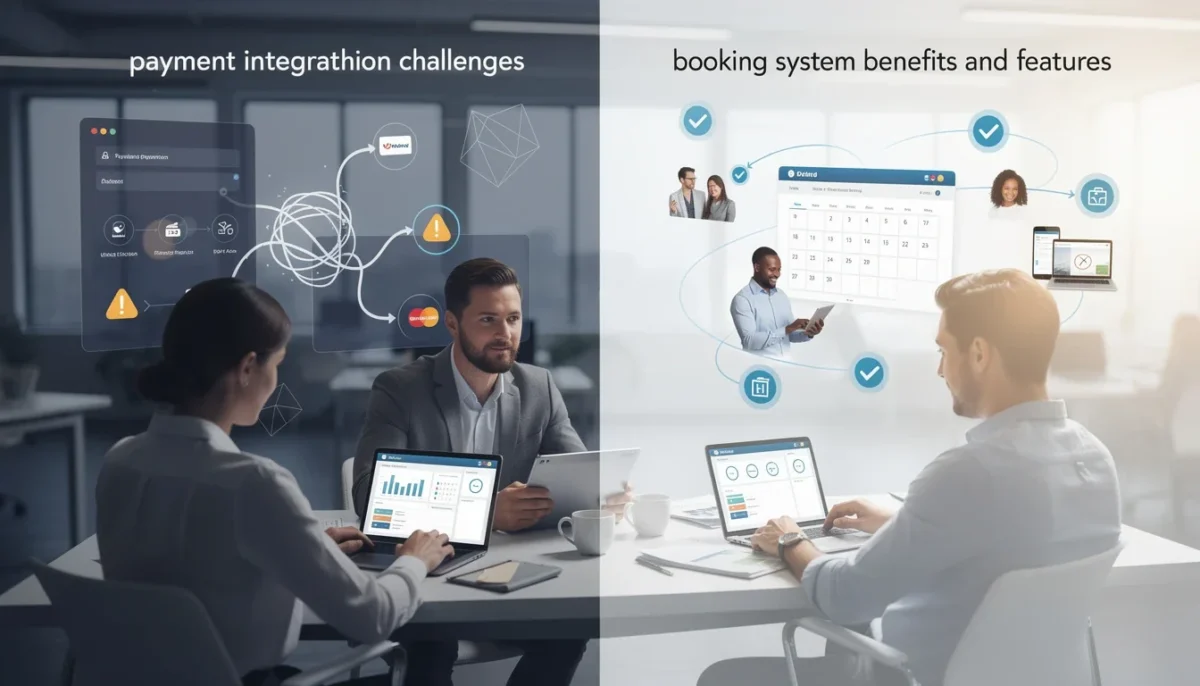
Integrating a payment gateway—like Stripe, PayPal, or Square—into a booking system might sound simple on paper, but the reality can be quite different. Each gateway has its own APIs, documentation quirks, and best practices. Developers often grapple with varying authentication protocols, webhooks, and sandbox environments, which can make initial setup and ongoing maintenance burdensome.
Beyond basic integration, you need to consider error handling, system downtime, and compatibility with existing software infrastructure. Some payment gateways may not play nicely with your current tech stack or may require regular updates to maintain compliance and security standards. These technical hurdles can slow down your launch and impact user experience if not addressed early.
Pro tip: Always allocate extra time for testing payment flows on multiple devices and browsers. Catching bugs early helps avoid embarrassing payment failures and unhappy customers down the road.
Security and Compliance Demands
Handling customer payments means dealing with sensitive financial information. As such, booking systems must adhere to strict security standards—most notably PCI DSS (Payment Card Industry Data Security Standard) compliance. Failure to comply can result in hefty fines, reputational damage, and even the inability to process payments at all.
Storing, transmitting, and processing credit card data requires robust encryption, secure data storage, and regular security audits. You’ll also need to ensure your system can handle fraud detection, chargebacks, and disputes—a tall order for many small businesses or startups.
To complicate matters, regulations vary by region. For example, GDPR in Europe adds another layer of data protection requirements. Staying on top of these rules means constant vigilance and a proactive approach to security.
Pro tip: Whenever possible, use payment gateways that offer hosted payment fields or redirect flows. This way, sensitive card data never touches your servers, drastically reducing your compliance burden.
Handling Multiple Currencies and Regions
If you’re serving an international clientele, payment integration becomes even trickier. You’ll need to support multiple currencies, manage fluctuating exchange rates, and comply with local tax laws. Not all payment processors offer the same level of multi-currency support, and some may charge high conversion fees.
Additionally, certain gateways are only available in specific countries, and local payment preferences—like Alipay in China or iDEAL in the Netherlands—can dictate which solutions you must offer. Ignoring these factors can lead to abandoned bookings and frustrated customers.
Localization goes beyond currency. You’ll need to display prices in local formats, handle translations, and adapt checkout workflows to align with local expectations. This adds layers of complexity to both your codebase and user interface.
Pro tip: Survey your customers to identify their preferred payment methods and focus on integrating those first. You’ll streamline development and increase conversion rates by meeting their specific needs.
Syncing Payments With Bookings
One of the most overlooked challenges is ensuring that payment and booking data remain perfectly in sync. For example, what happens if a customer’s card is declined after they’ve reserved a slot? Or if a booking is canceled, how do you automate refunds and update availability in real time?
Payment and booking systems must communicate flawlessly to prevent double bookings, missed appointments, or accounting errors. This often requires a robust backend architecture and careful handling of edge cases—especially in high-volume businesses or those offering flexible cancellation policies.
Automated workflows, such as sending confirmation emails only after successful payment, are essential. Yet, building these processes can be complex, especially if your booking system integrates with third-party calendars or CRMs.
Pro tip: Use reliable transaction logs and implement automated reconciliation routines. This helps you quickly identify and resolve discrepancies between bookings and payments.
User Experience and Checkout Flow
Even with the most secure and technically sound payment integration, user experience can make or break your booking system’s success. A clunky checkout process, too many steps, or confusing error messages will drive customers away. Today’s users expect lightning-fast and intuitive interactions, especially when money is involved.
Designing a smooth payment flow means minimizing clicks, offering familiar payment options, and providing clear instructions every step of the way. Mobile optimization is critical—many bookings now happen on smartphones, where even minor friction can result in lost sales.
It’s also important to offer features like saved payment methods or guest checkout. These conveniences can significantly boost conversion rates, especially for repeat customers or those who are short on time.
Pro tip: Regularly conduct user testing on your booking and payment flows. Fresh eyes can spot pain points you may have missed, allowing you to fine-tune the experience for maximum satisfaction.
Scaling and Future-Proofing Your Solution
As your business grows, so will your payment integration needs. What works for a handful of bookings a week might crumble under the weight of hundreds or thousands. Performance bottlenecks, transaction limits, and manual processes can become real headaches at scale.
You’ll also need to stay flexible as new payment technologies emerge. Digital wallets, buy-now-pay-later options, and cryptocurrency payments are gaining traction in some industries. Ensuring your booking system can adapt to new payment trends will keep you ahead of the competition and ready for whatever the future brings.
Regularly reviewing your payment infrastructure, monitoring transaction analytics, and staying in touch with payment gateway updates are all critical to maintaining a robust and future-proof booking system.
Pro tip: Choose payment gateways and booking platforms—like Bookafy—that prioritize scalability and offer regular updates. This minimizes growing pains and keeps your system running smoothly as your business expands.
Related Articles
- Systèmes de réservation en marque blanche
- How Streamlined Appointment Scheduling Transforms
- Seasonal Appointment Scheduling Strategies for
Conclusion
Integrating payments into a booking system isn’t just about plugging in an API and calling it a day. It’s a multifaceted challenge that requires careful planning, technical expertise, and a relentless focus on security and user experience. From technical hurdles to regulatory compliance, from syncing bookings to scaling for growth, each challenge is an opportunity to build a better, more resilient business.
Bookafy understands these complexities and is committed to helping businesses navigate them with ease. By staying proactive, prioritizing customer needs, and leveraging the right tools, you’ll be well-equipped to turn payment integration from a headache into a competitive advantage.
Try Bookafy free
Put online booking, automatic reminders, and calendar sync to work for your business. Free to start — no credit card required.
Start your free trial See how it works →Frequently asked questions
What is the best appointment scheduling software for a small business?
Bookafy is appointment scheduling software built for small businesses: clients book online 24/7, automatic text and email reminders cut no-shows, and your calendars stay in sync — at a friendly per-user price.
Does Bookafy reduce no-shows?
Yes. Bookafy sends automatic text and email reminders before every appointment, which is one of the most effective ways to reduce no-shows.
Can clients book online 24/7 with Bookafy?
Yes. Bookafy gives you a booking page and embeddable widget so clients can self-schedule any time, from your website, Google, or a shared link.
How much does Bookafy cost?
Bookafy is a simple monthly subscription with a free trial and no credit card required. See the pricing page for current plans.
Related: Appointment scheduling software · Why Bookafy · Pricing
Save time with automated scheduling
Bookafy handles online booking, reminders, and calendar sync so you can focus on the work.
Try Bookafy free
Bookafy — online appointment scheduling for growing businesses.