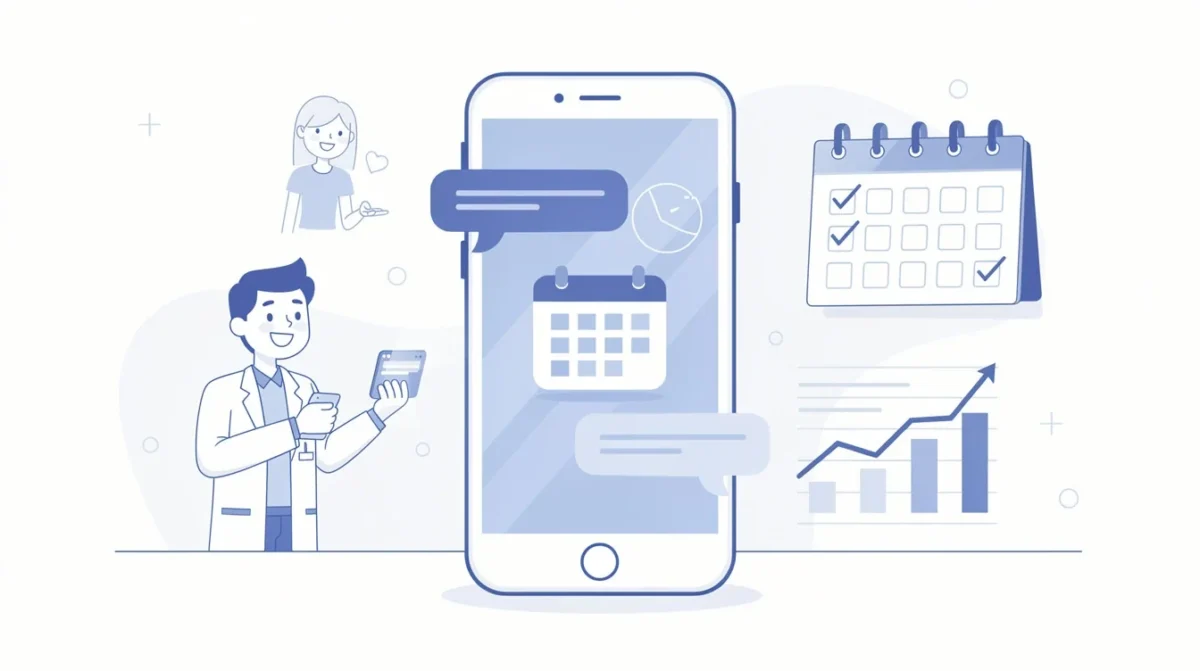

Picture this: your dental office is humming, the calendar is full, and patients are showing up right on time. No more empty chairs, fewer last-minute cancellations, and a lot less time spent chasing down no-shows. Sound too good to be true? Not when you harness the power of SMS reminders for appointment scheduling. In the world of modern dentistry, where efficiency and patient experience are everything, SMS reminders have quickly become a game-changer. Let's dive into why they're so effective, how they work, and how platforms like Bookafy are helping dental practices transform their scheduling processes—one text at a time.
The No-Show Problem in Dentistry
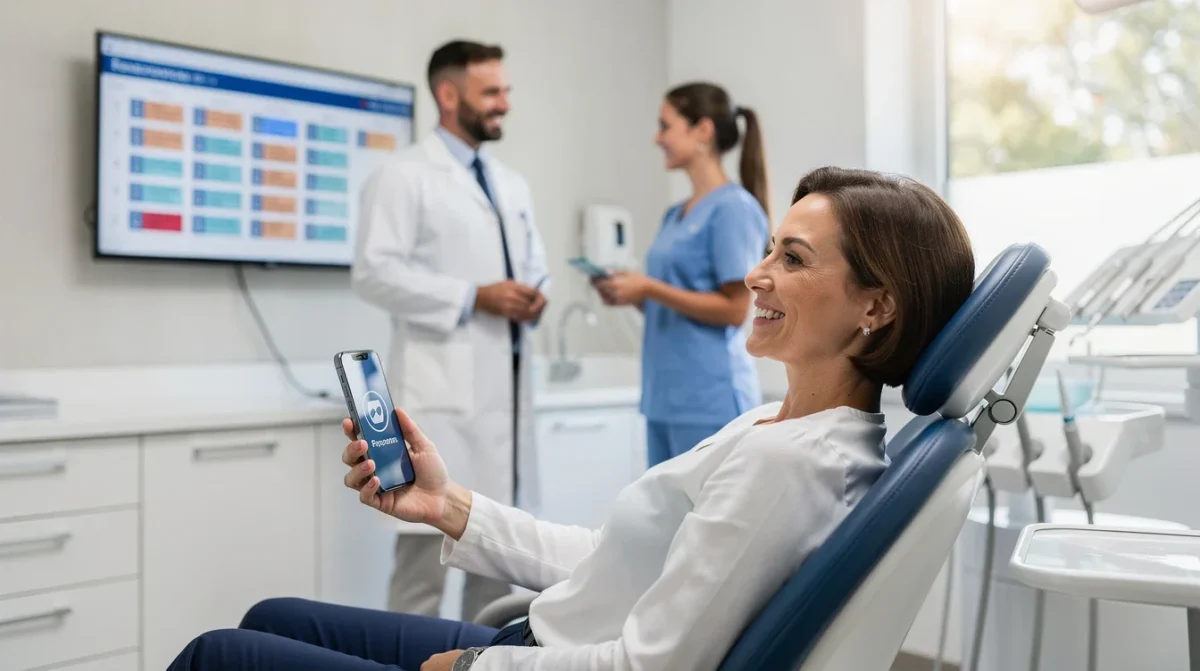
Missed appointments are more than just a minor inconvenience for dental practices—they're a significant drain on time, resources, and revenue. Studies show that no-show rates in dentistry can range from 10% to 30%, depending on the practice and patient demographics. Every missed appointment means lost income, wasted staff time, and a delay in patient care that can impact oral health outcomes down the line.
Why do patients miss their appointments? The reasons vary—busy schedules, forgetfulness, anxiety, or even simple miscommunication about the appointment details. Traditional reminder methods like phone calls and postcards are easily overlooked or ignored. In today's fast-paced, mobile-centric world, it’s no surprise that patients are more likely to respond to a quick, convenient text message.
Pro tip: Identify your practice’s current no-show rate before implementing SMS reminders. This baseline will help you measure the true impact of your new reminder strategy.
Why SMS Reminders Work So Well
Text messages have an astonishing open rate—over 90% are read within minutes of receipt. Compare that with email, which often gets buried in crowded inboxes, or phone calls, which many people screen or ignore. SMS is direct, immediate, and fits seamlessly into patients’ daily routines.
There are several reasons why SMS reminders are so effective in dental appointment scheduling:
- Immediacy: Most people carry their phones everywhere. A quick buzz or ding from a text is hard to miss.
- Simplicity: Messages are short and easy to read. Patients can confirm or reschedule with a simple reply.
- Automation: Platforms like Bookafy allow you to automate reminders, saving staff hours of manual work each week.
By sending a friendly, timely reminder, you’re helping patients remember their appointment and making it easy for them to communicate any changes, reducing the risk of no-shows and last-minute cancellations.
Pro tip: Customize your SMS reminder message with the patient’s name, appointment date, and time for a personal touch that increases engagement.
Real Results: Improved Attendance and Efficiency
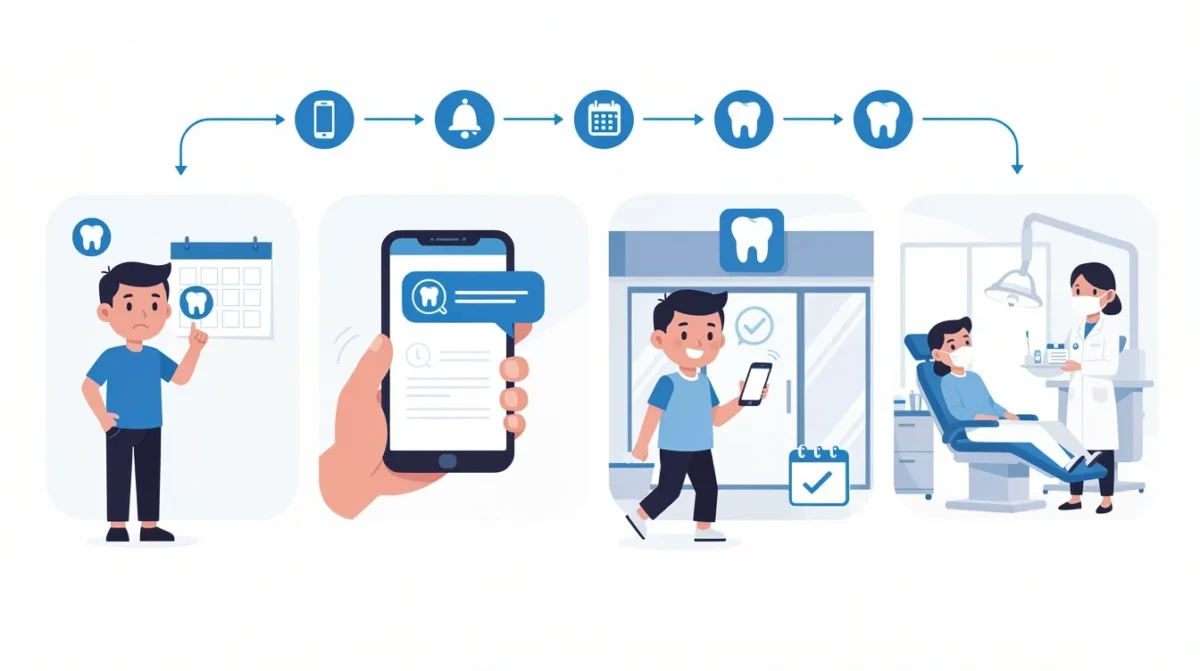
Dental practices that switch to SMS reminders often notice an immediate improvement in attendance rates. Patients are more likely to show up on time, and when they can’t make it, they’re more likely to let the office know in advance.
This boost in reliability does more than just fill chairs—it streamlines your entire workflow. Your administrative staff spends less time playing phone tag or rescheduling missed appointments. This efficiency translates into more productive days, happier staff, and a better bottom line.
Patients appreciate the convenience, too. In the digital age, a quick text feels less intrusive than a phone call and is far more effective than a paper postcard. Many patients even expect this level of service from their healthcare providers.
Pro tip: Track appointment attendance rates after implementing SMS reminders to showcase their effectiveness to your team and stakeholders.
Seamless Integration with Bookafy
One of the biggest advantages of using SMS reminders is how easily they can be integrated into your existing scheduling system. Bookafy, for example, makes it simple to set up automated SMS reminders that sync with your appointment calendar. Whether your practice is large or small, you can customize when reminders are sent—24 hours before the appointment, a few hours before, or both.
Bookafy’s platform allows for two-way communication, so patients can confirm, cancel, or reschedule their appointment right from their phone. This not only saves staff time but also gives patients control and flexibility, leading to a better overall experience.
With Bookafy, your dental team can focus on what matters most: providing exceptional care, while the system takes care of the reminders. It’s a win-win for everyone.
Pro tip: Use Bookafy’s analytics to identify peak times for cancellations or rescheduling, then adjust your reminder timing for maximum effectiveness.
Enhancing Patient Relationships
Beyond reducing no-shows, SMS reminders also help foster stronger relationships between your practice and your patients. A friendly, timely reminder demonstrates that you value your patients’ time and care about their oral health. It’s a small gesture that can make a big difference in how patients perceive your practice.
By making communication easy and convenient, you remove barriers that might keep patients from attending their appointments. You also open the door for quick, two-way conversations—patients can respond if they have questions, need to reschedule, or require special accommodations.
This level of attentiveness builds trust and loyalty, which is vital for patient retention. Satisfied patients are more likely to recommend your practice to friends and family, driving growth through positive word-of-mouth.
Pro tip: Occasionally include a brief educational tip or seasonal message in your reminders to add value without overwhelming your patients.
Overcoming Common Concerns
Some dental practices worry that automated SMS reminders might feel impersonal or intrusive. The truth is, it all comes down to how you implement them. Personalization, timing, and message tone are key. A gentle, helpful reminder sent at the right moment is rarely seen as an annoyance—in fact, most patients appreciate the convenience.
There are also concerns about privacy and compliance, especially when dealing with sensitive health information. Reputable platforms like Bookafy ensure all communications are secure and HIPAA-compliant, giving both you and your patients peace of mind.
Finally, some practices fear their patient base won’t embrace new technology. But with smartphone adoption rates soaring across all age groups, SMS reminders are accessible to almost everyone.
Pro tip: Ask your patients for their communication preferences during intake, and always provide an opt-out option for reminders.
Measuring the Impact of SMS Reminders
Implementing SMS reminders is just the first step—tracking their effectiveness is equally important. Start by monitoring your no-show and cancellation rates before and after adding SMS reminders. You should see a noticeable drop in missed appointments and improved on-time arrival rates.
Patient satisfaction surveys are another valuable tool. Ask your patients how they feel about the reminders, and use their feedback to fine-tune your communication strategy. Over time, you’ll gain insights into the optimal timing, frequency, and wording for your messages.
By regularly reviewing these metrics, you can demonstrate the value of SMS reminders to your team, justify your investment in new technology, and continue to improve your scheduling process.
Pro tip: Share your success stories with your team to keep everyone motivated and invested in maintaining high attendance rates.
Conclusion
In today’s mobile-first world, SMS reminders are a powerful tool for dental practices looking to reduce no-shows, streamline scheduling, and enhance the patient experience. By meeting patients where they are—on their phones—you can deliver timely, convenient reminders that keep your chairs full and your practice thriving.
Platforms like Bookafy make it easy to automate and personalize these communications, freeing up your staff and ensuring that every patient gets the attention they deserve. If you’re ready to transform your dental appointment scheduling, SMS reminders are the simple, effective solution your practice needs.