
Small businesses know that timing is everything—especially when it comes to managing bookings. Whether you run a salon, tutoring service, or a consulting firm, understanding seasonal trends can make the difference between a thriving calendar and slow stretches that impact your bottom line. As we look ahead to 2026, it’s more important than ever to use data-driven strategies to anticipate demand, maximize resources, and delight your clients all year long. Let’s explore what the future holds for seasonal booking trends and how you can use this knowledge to your advantage.
The Impact of Seasonality on Bookings

Seasonality has always played a significant role in small business operations. From the rush of holiday shoppers to the summer slowdowns, these fluctuations can impact everything from staffing to cash flow. In 2026, seasonality will continue to be a driving force, but the way businesses respond is evolving. With advanced scheduling tools like Bookafy, you can analyze historical data, predict busy periods, and optimize your offerings.
For instance, a fitness studio may see a spike in January as people commit to New Year’s resolutions, while a landscaping company’s busy season may not start until spring. Recognizing these patterns allows you to plan promotions, adjust staffing levels, and even tweak your business hours to meet demand.
Pro tip: Use your booking software’s analytics to spot your busiest and slowest months. This insight can help you plan special offers or loyalty programs to smooth out seasonal dips.
Emerging Trends Shaping 2026
Looking forward, several key trends are set to influence booking patterns for small businesses. Hybrid work arrangements, increased travel flexibility, and a growing emphasis on self-care are just a few dynamics shaking up the traditional calendar.
Hybrid and remote work mean people aren’t tied to traditional weekday schedules. This opens up new windows for appointments during what was previously “off-peak” time. For example, a massage therapist might find Tuesday mornings busier than ever as remote workers take advantage of flexible hours.
Additionally, global events like the Summer Olympics or major election years can create temporary spikes or dips in demand, depending on your industry. Being aware of these macro trends can help you anticipate and capitalize on unusual booking patterns.
Pro tip: Stay connected to industry news and global events. Unexpected surges (or slowdowns) can be opportunities if you’re prepared.
Leveraging Data for Better Forecasting
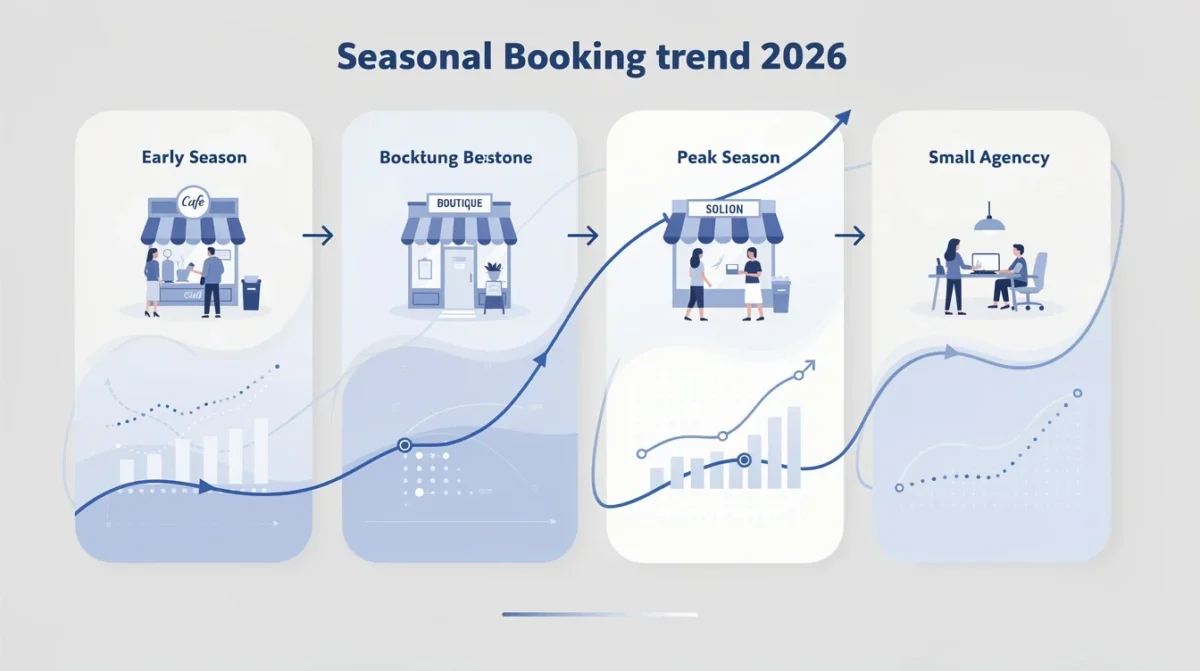
Gone are the days of guessing when your next rush will hit. Modern booking systems, like Bookafy, offer powerful analytics that put actionable data at your fingertips. By reviewing year-over-year trends, you’ll gain a clearer picture of how seasonality affects your specific business—not just your industry as a whole.
For example, you might discover that your tutoring business sees a surge not just at the start of the school year, but also during midterm and final exam periods. Or, a pet grooming service may notice bumps around major holidays when people travel and need pet care.
Armed with this data, you can make smarter decisions about when to increase marketing spend, schedule staff vacations, or launch new services. Forecasting isn’t about eliminating uncertainty—it’s about reducing surprises and making informed choices.
Pro tip: Set aside time each quarter to review your booking trends and compare them with the previous year. Small adjustments based on real data can have a big impact.
Strategies to Maximize Seasonal Opportunities
Once you’ve identified your seasonal trends, it’s time to put that knowledge to work. The most successful small businesses don’t just react to seasonality—they proactively plan to make the most of it.
Start by designing promotions aligned with your peak seasons. Maybe that means offering bundled packages or introducing limited-time services that cater to seasonal needs (think “Back to School” packages for tutors, or “Spring Refresh” specials for salons). Adjust your staffing to ensure you’re never under- or over-staffed during key periods.
Don’t forget about your loyal clients. Reach out to them ahead of your busy times with priority booking or exclusive deals. Not only does this fill your calendar, but it also strengthens customer relationships.
Pro tip: Use automated reminders and follow-ups to keep your clients engaged and reduce last-minute cancellations during peak times.
Overcoming Challenges in Slow Seasons
No matter how well you plan, every business has its slow stretches. The key is to approach these periods creatively, rather than simply accepting a lull. Use the time to experiment with new services, train staff, or refresh your marketing materials.
Consider targeting different customer segments who might have a need for your services during off-peak times. For example, a photography studio might offer discounted weekday sessions for retirees or remote workers.
This is also a great time to solicit client feedback and implement improvements that can set you up for success when business picks up again.
Pro tip: Turn your slow season into a growth opportunity by piloting a new service or hosting a community event to generate buzz.
The Role of Technology in Seasonal Success
Technology is a game-changer when it comes to managing bookings and adapting to seasonal trends. Tools like Bookafy automate scheduling, send timely reminders, and integrate with your marketing efforts to ensure you’re always a step ahead.
With mobile booking and online payment options, clients can reserve their spot anytime, eliminating barriers that might have cost you business in the past. Automated waitlists can help you fill last-minute cancellations, preventing lost revenue during your busiest times.
Most importantly, technology frees you to focus on providing exceptional service, rather than getting bogged down in administrative tasks.
Pro tip: Regularly update your booking system settings as seasons change. Adjust availability, service offerings, and messaging to reflect your current priorities.
Conclusion
Understanding and adapting to seasonal booking trends isn’t just about surviving the highs and lows—it’s about thriving all year round. By leveraging data, embracing flexibility, and harnessing the right technology, small businesses can turn seasonality from a challenge into an opportunity. As 2026 approaches, those who stay agile and proactive will not only fill their calendars but also strengthen customer loyalty and grow their bottom line. With tools like Bookafy in your corner, you’ll be well-equipped to make every season your best season yet.