

How to write blog posts that the search engines will love. Follow the formula and watch traffic soar!
This is the exact step-by-step process marketers follow to research keywords, write content, optimize images, build internal links, and publish posts that can rank.
Get the checklist See the $3/day optionIncludes examples for: keyword selection, URL slugs, internal links, image filenames, and alt text.
 2–6 hrs
Typical manual workflow
1,200–2,000
Words per post
2–6 hrs
Typical manual workflow
1,200–2,000
Words per post
The workflow in 3 phases
Use this as your predictable “Monday → Publish” checklist.
ResearchPick a topic that can rank, find a primary keyword, and map supporting keywords to headings.
Primary keyword: "online appointment booking software"Supporting: "booking software for teams", "calendar scheduling tool", "reduce no-shows" Write
Create a scannable outline, write for search intent, and add internal links to key pages.
H2: What is X?H2: Benefits of X
H2: How to choose X
H2: FAQs Optimize + Publish
Finalize URL slug, image filenames, alt text, titles, and on-page checks before going live.
URL slug: /content-marketing-for-saasImage: saas-content-workflow.png
Alt: "SaaS content workflow checklist"
Concrete examples you can copy
These are the exact “details” Google and users respond to.
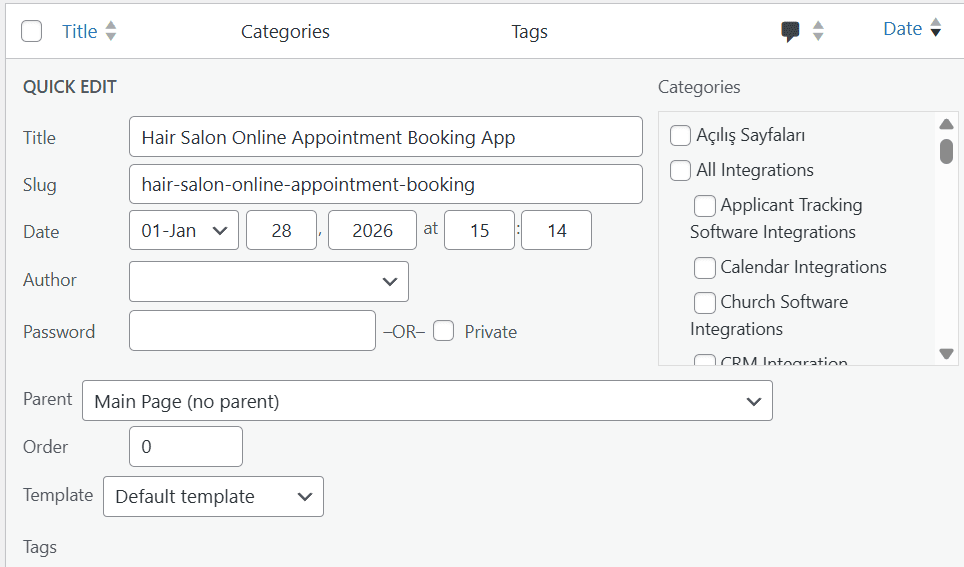
SEO-friendly URL slugsKeep slugs short, lowercase, hyphenated, and keyword-based.
✅ /seo-content-checklist✅ /how-to-write-blog-posts-faster
❌ /blog?id=93847&ref=home
Image optimization
Every image should have a meaningful filename, title, and alt text.
Filename: content-marketing-workflow.pngTitle: Content marketing workflow checklist
Alt: "Step-by-step content marketing workflow checklist"
- ✓ Use descriptive filenames (not IMG_4729.png)
- ✓ Alt text describes what’s visible (and helps accessibility)
- ✓ Compress images to reduce load time
The “publish today” checklist
If you do only one thing, follow this list in order.
- 1 Pick a topic with clear intent (what does the searcher want?)
- 2 Choose a primary keyword + 5–15 supporting keywords
- 3 Build an outline (H2s answer intent; H3s add depth)
- 4 Write 1,200–2,000 words (examples + clarity > fluff)
- 5 Create an SEO URL slug (short, keyword-based)
- 6 Add 3–8 internal links
- 7 Add 3–5 images (featured + in-content visuals)
- 8 Optimize image filename + title + alt text
- 9 Final SEO pass (title, meta, headers, mobile formatting)
- 10 Publish, then repeat consistently
Want this done automatically for about $3/day?
DropContent built software that picks topics, finds keywords, writes long-form posts, optimizes images, adds internal links, and publishes consistently—so you don’t need to spend hours per article.
Tip: Sign up for a free trial and see what DropContent can produce for you, on auto pilot. Learn More at DropContentSave time with automated scheduling
Bookafy handles online booking, reminders, and calendar sync so you can focus on the work.
Try Bookafy free
Bookafy — online appointment scheduling for growing businesses.