
The landscape of sales meetings is evolving at a rapid pace, and by 2026, hybrid meetings—those that blend in-person and virtual participation—are set to become the new standard. For sales teams, this shift means adapting to new technology, changing workflows, and embracing flexible scheduling. But with change comes opportunity: hybrid meeting scheduling can unlock unprecedented productivity, broaden client reach, and streamline workflows. Let’s explore what hybrid meeting scheduling means for sales teams in 2026 and how tools like Bookafy are helping sales professionals turn these challenges into competitive advantages.
The Rise of Hybrid Meetings

Sales has always been about connection, but how we connect has fundamentally changed. Remote work, global teams, and the expectation for flexibility have all contributed to the rise of hybrid meetings. In 2026, it’s rare to see a sales organization relying solely on in-person or all-virtual meetings. Instead, hybrid meetings are the norm, allowing team members and clients to join from wherever they are.
Hybrid meetings offer more than just convenience. They enable sales professionals to meet clients where they’re most comfortable, be it in a boardroom or at their home office. This flexibility not only increases attendance rates but also makes it easier to build rapport with clients who might have otherwise been difficult to reach.
Pro tip: Set clear meeting objectives and share them in advance. This ensures everyone, whether remote or in-person, comes prepared and engaged.
Scheduling Challenges and Opportunities
While hybrid meetings offer flexibility, they also introduce new scheduling headaches. Time zone differences, varying work hours, and unpredictable travel schedules can make finding a meeting time a logistical puzzle. Sales teams must juggle these variables while still ensuring that meetings are productive and everyone feels included.
Here’s where the opportunity lies: sophisticated scheduling platforms like Bookafy are designed with these challenges in mind. Automated scheduling, integrated calendar syncing, and intelligent time zone detection remove the manual effort from the equation. This not only saves time but also reduces the risk of double bookings and no-shows.
By 2026, sales teams expect these tools to do more than just book a slot—they want personalized meeting experiences. Features like automated reminders, custom meeting links, and instant rescheduling are critical for keeping the sales pipeline moving.
Pro tip: Use scheduling software that adapts to your team’s unique needs, allowing for buffer times, automated follow-ups, and easy integration with your CRM.
Building Trust Through Seamless Scheduling
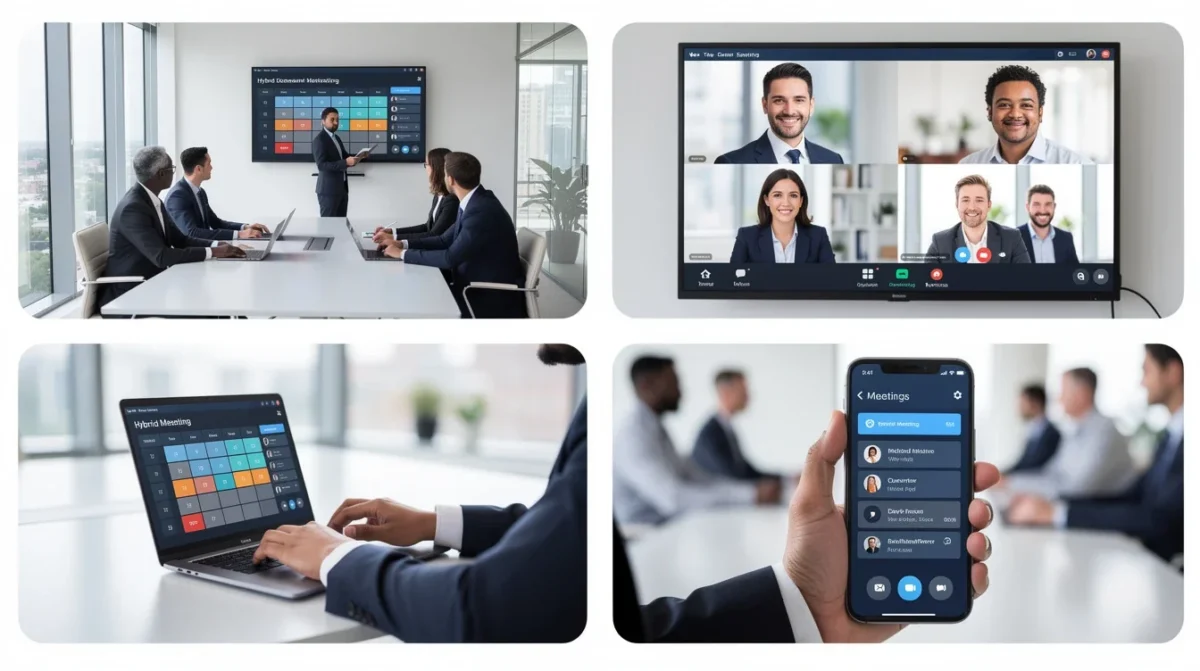
Trust is the foundation of any successful sales relationship, and the way you schedule meetings speaks volumes about your professionalism. In a hybrid environment, seamless scheduling is a subtle but powerful trust builder.
Clients notice when a meeting invite arrives promptly, includes all the essential details, and offers them options that fit their calendar. They appreciate not having to endure endless email threads just to find a suitable time. For sales teams, this sets a positive tone even before the actual meeting takes place.
Moreover, hybrid meeting scheduling tools help ensure that all participants—remote and in-person—have equal access to information and resources. This inclusivity builds confidence in your process and shows that you value everyone’s time.
Pro tip: Always include virtual join links, parking details, and an agenda in your meeting invites. This minimizes confusion and sets clear expectations for all attendees.
Leveraging Automation for Sales Success
Automation is the secret weapon for sales teams looking to maximize the benefits of hybrid meetings. In 2026, automation goes beyond sending invites or reminders—it’s about creating an end-to-end workflow that minimizes manual effort and maximizes productivity.
Imagine scheduling a demo with a prospect: Bookafy can automatically detect the best available slots for both parties, send a branded invitation, integrate with your CRM to log the meeting, and trigger a personalized follow-up email afterward. All this happens without the sales rep having to lift a finger.
This level of automation frees up valuable time, allowing sales professionals to focus on what they do best—building relationships and closing deals. It also reduces errors, eliminates scheduling conflicts, and ensures that no lead falls through the cracks.
Pro tip: Regularly review your scheduling workflows and automate repetitive steps. Small tweaks can have a big impact on your team’s efficiency and client experience.
Hybrid Meetings: The Human Element
It’s easy to get caught up in the tech, but at its core, sales is still about people. Hybrid meeting scheduling in 2026 is as much about fostering human connections as it is about convenience.
Sales leaders recognize the importance of mixing in-person touchpoints with virtual convenience. Sometimes, a handshake seals the deal; other times, a quick video call keeps the momentum going. Hybrid scheduling allows reps to tailor their approach to each client’s preferences and needs.
What matters most is that every participant feels included and heard, regardless of how they join. This means making space for remote voices, ensuring everyone has the right materials, and being mindful of time zones and cultural nuances.
Pro tip: After hybrid meetings, send a personalized thank-you note or follow-up. A little human touch goes a long way in building lasting sales relationships.
Future-Proofing Your Sales Team
Hybrid meeting scheduling isn’t just a trend—it’s the future of sales. Teams that embrace the hybrid model in 2026 will be better positioned to attract top talent, meet diverse client needs, and scale their operations globally. Flexible scheduling demonstrates that your organization values both employee autonomy and client convenience.
Investing in the right scheduling platform, like Bookafy, is a critical step in future-proofing your sales process. Look for tools with robust analytics, seamless integrations, and user-friendly interfaces. And don’t forget to train your team not just on the technology, but on best practices for hybrid collaboration.
Pro tip: Encourage feedback from your sales team on what’s working and what could be improved in your hybrid scheduling process. Continuous improvement keeps your team agile and ahead of the curve.
Conclusion
As we look toward 2026, hybrid meeting scheduling will be the backbone of successful sales teams. It’s about more than just booking appointments—it’s about providing a flexible, inclusive, and efficient experience for both sales professionals and clients. With the right mix of technology, automation, and human touch, sales teams can turn the challenges of hybrid meetings into opportunities for growth and stronger relationships. Bookafy is here to help you navigate this new era with confidence, so your sales team can focus on what really matters: connecting with clients and driving results.